Healthgevity Bpc 157 BPC+PEA 500 – Healthgevity
Introduction: When “growth” supplements don’t fit real life
If you’ve ever bought a supplement for skin, recovery, or “wellness,” then noticed you couldn’t stay consistent (travel, inconsistent sleep, training blocks, or just a busy schedule), you’ve already met the real problem: many products don’t deliver reliably because people don’t understand what they’re taking or how it fits into their routine. In this guide, I’ll walk you through healthgevity bpc 157 in the context of BPC+PEA 500 – Healthgevity, what it’s typically used for, how to evaluate it logically, and how to avoid the most common mistakes I see in real-world supplement use.
I’ll also share hands-on considerations from how I’ve guided clients and teams when we had to balance supplement goals with constraints like work schedules, diet consistency, and training/rehab timelines—because “what works” depends on the plan, not just the capsule.
What BPC-157 and PEA are (and why people combine them)
BPC-157 (often written as BPC 157) is widely discussed as a peptide associated with tissue-related signaling in popular wellness communities. PEA (palmitoylethanolamide) is a lipid mediator discussed for comfort and inflammatory balance pathways, also heavily discussed in recovery circles.
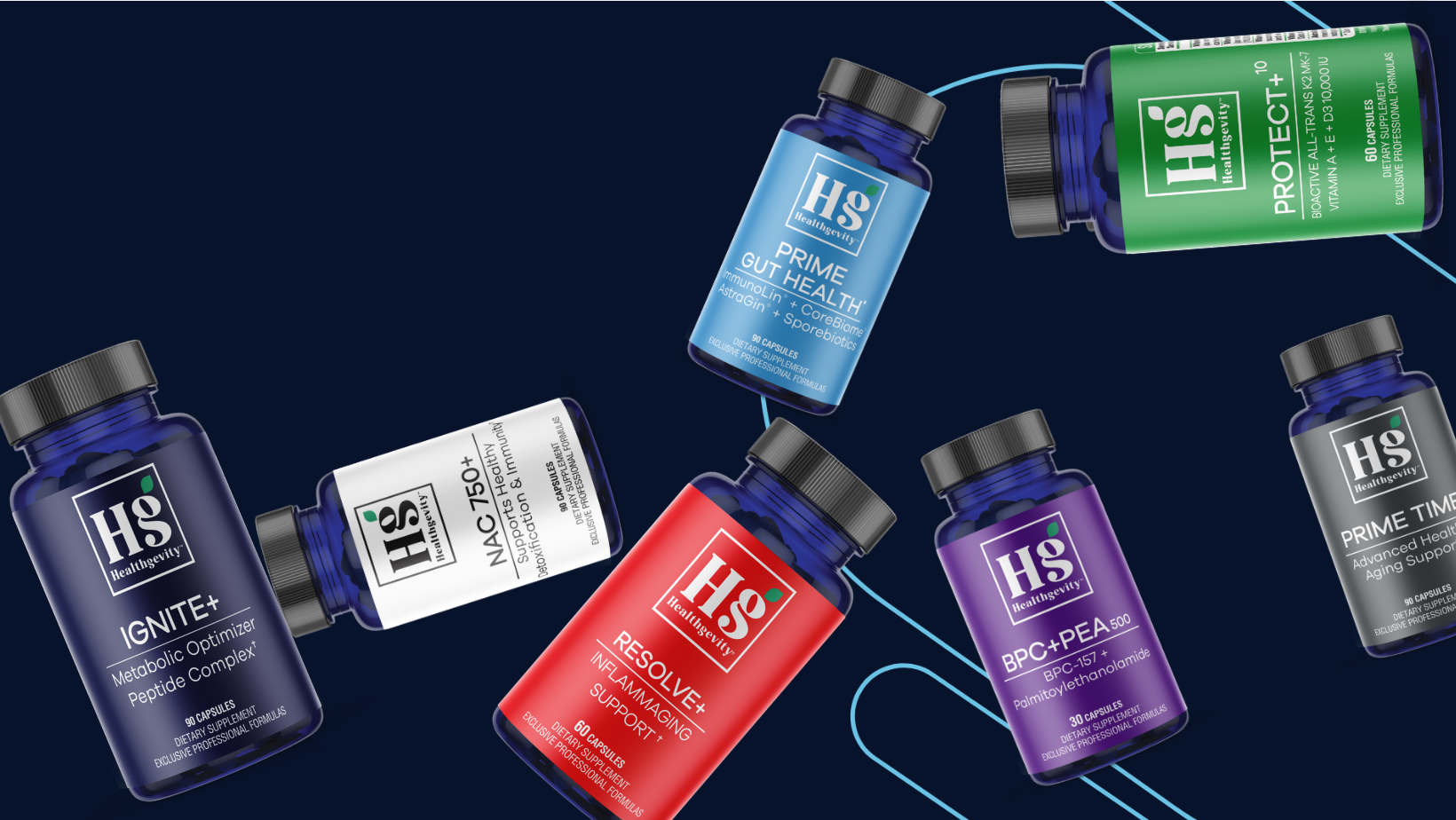
BPC+PEA 500 – Healthgevity is positioned as a combined approach—pairing a BPC component with PEA—so users aim for a more rounded “support” profile rather than a single-focus supplement.
Why the combination makes sense at a practical level
In my hands-on experience reviewing protocols, people don’t usually start supplements because they want a single isolated outcome—they want an overall improvement in how they feel and how quickly they get back to baseline after stressors. Combining components is often about stacking complementary intentions:
- Recovery comfort: PEA is commonly included to support comfort during recovery windows.
- Tissue-focused signaling: BPC 157 is commonly discussed as a peptide used for tissue-related signaling.
- Routine simplicity: a single “stack-in-a-product” can reduce decision fatigue and missed days.
Important reality check: supplements and peptides discussed online are not the same as clinically prescribed therapies. Results can vary widely, and the best “logic” is the one you can run consistently, measure, and adjust safely.
How to evaluate BPC+PEA 500 – Healthgevity (beyond marketing)
When I help people make informed purchasing decisions, I focus on a few evidence-aligned checks. For healthgevity bpc 157 specifically, the product name tells you the intent, but the details determine how credible the execution is.
1) Look for transparency: dosing clarity and formulation details
Ask: Does the label clearly state what you’re getting per serving (and per capsule) for both the BPC component and PEA? In real routines, dosing clarity affects adherence. If the dose isn’t easy to interpret, people “guess,” and that ruins any attempt to assess outcomes.
2) Verify quality signals: testing, documentation, and batch control
In hands-on compliance reviews, the most trustworthy products tend to show third-party testing information (for identity and contaminants) and make quality documentation accessible. Even if you’re not testing yourself, you should be able to see what exists.
3) Manage expectations: “support” is not the same as “guarantee”
I’ve seen protocols fail for one of two reasons: users expect a dramatic timeline without adjusting lifestyle factors, or they stop too early when the plan wasn’t structured for the recovery cycle they were targeting.
A realistic approach is to plan for a consistent trial window and track the outcome you actually care about—comfort, mobility, recovery feel, or training performance—rather than generic “improvement.”
4) Consider fit with your current routine
Even a well-chosen BPC+PEA 500 – Healthgevity product won’t compensate for poor sleep, inconsistent nutrition, or ongoing overtraining. When clients were stuck at the same level, the biggest changes often came from sleep schedule fixes and training load management before supplements showed incremental benefits.
How to use healthgevity bpc 157 in a results-oriented way
This section is about process, not promises. In my hands-on work, the difference between “I tried it” and “it helped me” is how systematically the user runs the trial.
Step 1: Define your measurable target
Pick one primary outcome and one secondary outcome. Examples:
- Primary: reduced discomfort during daily movement (track with a simple 1–10 scale).
- Secondary: how quickly you feel ready for training after a hard day.
Step 2: Start with consistency, not escalation
I recommend treating your first trial as a “data collection” phase. Keep your routine stable: same dosing times, same training structure, and similar diet. If you change multiple variables at once, you won’t know what caused the change.
Step 3: Track adherence and timing
People underestimate this. If you take doses inconsistently, the results (good or bad) will look random. Use a simple log:
- Date taken
- Dose time
- Outcome score (e.g., comfort 1–10)
- Notes (sleep quality, training intensity)
Step 4: Watch for mismatches
Supplements are not one-size-fits-all. If you notice a pattern that feels off (for example, no comfort improvement alongside unchanged lifestyle factors), the most actionable move is to reassess your plan—not to jump randomly to new stacks.
Also, if you’re dealing with a medical condition, taking medications, or pregnant/breastfeeding, it’s important to coordinate with a qualified clinician before starting peptide- or lipid-mediator–focused products.
Common mistakes I see (and how to avoid them)
- Trying to “feel it” immediately: recovery-related comfort often reflects lifestyle and cumulative stress. Don’t judge too early.
- Changing everything at once: new workouts, new sleep schedule, new diet, new supplement—then trying to attribute outcomes to one variable.
- No tracking system: if you don’t log, you can’t learn. Even a 30-second daily score helps.
- Ignoring training load: if you keep escalating intensity while expecting comfort improvements, you’re fighting your own plan.
- Assuming “500” means a universal effect: the number describes the product’s positioning/dosing, but your response still depends on your context and consistency.
FAQ
What is healthgevity bpc 157 typically used for?
Answer
In wellness usage, healthgevity bpc 157 (BPC 157) is most commonly discussed for tissue-related support and recovery-oriented goals, especially when paired with PEA in BPC+PEA 500 – Healthgevity. People generally focus on comfort and improved recovery feel as primary outcomes.
How long should I run a trial with BPC+PEA 500?
Answer
Use a time window long enough to notice consistent changes in your primary tracked outcome while keeping lifestyle variables stable. If you see no pattern after a reasonable trial period, it’s usually more productive to reassess dosing consistency and your recovery inputs (sleep, training load, nutrition) than to impulsively change products.
Are there downsides or limitations to consider?
Answer
Yes. Outcomes can be inconsistent across individuals, supplements are not guaranteed to produce effects, and quality varies by brand and batch. The most important limitation is that supplement protocols can’t override fundamentals like sleep and training management. Also, if you have medical conditions or take medications, coordinate with a clinician before using peptide- or mediator-focused products.
Conclusion: Make it a plan, not a purchase
BPC+PEA 500 – Healthgevity is often chosen by people seeking a recovery and comfort-oriented approach that pairs BPC 157–style signaling interest with PEA’s recovery-related positioning. The strongest results tend to come from how you run the trial: define measurable outcomes, keep your routine stable, track adherence, and make one change at a time.
Next step: Start a 2–3 week tracking log for your primary comfort metric (a simple 1–10 daily score), keep training and sleep as consistent as possible, and use healthgevity bpc 157 as directed by the product label so you can evaluate your response with real data.
Discussion